
 By wild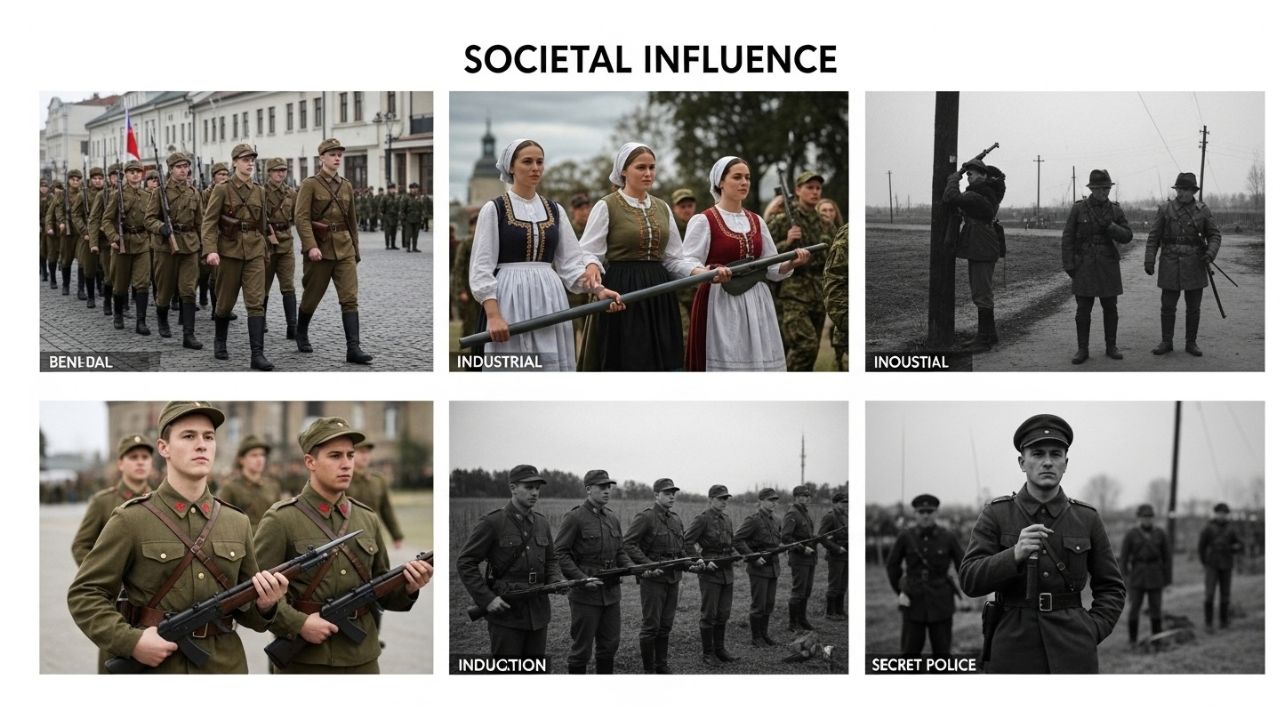
The term fascisterne is commonly used to describe individuals or groups associated with fascism, a political ideology that gained prominence during the early twentieth century. Fascism emerged during a period of social unrest, economic instability, and political uncertainty, offering a vision of strong centralized authority and national unity. Over time, fascisterne became influential in shaping political systems, public policies, and international relations in various parts of the world.
Understanding fascisterne is important for anyone interested in history, politics, and the development of modern societies. By examining their origins, beliefs, and influence, we can gain valuable insight into one of the most significant political movements of the last century.
The Historical Origins of Fascisterne
The rise of fascisterne can be traced back to Europe following World War I. Many countries faced severe economic difficulties, unemployment, and political instability. Citizens often became frustrated with traditional political parties and democratic institutions that seemed unable to solve growing national problems.
In this environment, fascist movements gained support by promoting discipline, national pride, and strong leadership. These movements argued that decisive action and centralized authority were necessary to restore order and strengthen the nation.
Throughout the 1920s and 1930s, fascist organizations expanded their influence in several European countries. Their message appealed to people seeking stability during uncertain times, allowing fascisterne to become a powerful force in national politics.
The Core Ideology Behind Fascisterne
To understand fascisterne, it is essential to examine the principles commonly associated with fascist ideology.
Strong Leadership and Authority
A central belief among fascisterne is the importance of strong leadership. Fascist movements typically support a highly centralized government led by a powerful authority figure. Supporters often argue that concentrated leadership enables faster decision-making and greater national unity.
Nationalism and Collective Identity
Nationalism is another defining characteristic. Fascisterne generally emphasize loyalty to the nation above individual interests. They often promote a shared national identity, encouraging citizens to prioritize collective goals over personal ambitions.
Opposition to Political Opposition
Historically, fascist movements have shown resistance to political pluralism. Fascisterne frequently argue that political divisions weaken national strength. As a result, opposition parties, independent organizations, and dissenting voices have often faced restrictions under fascist governments.
Emphasis on Social Order
Maintaining order and discipline is a recurring theme in fascist ideology. Fascisterne often advocate strict laws, strong institutions, and social structures designed to reinforce stability and authority.
The Rise of Fascisterne in the Twentieth Century
The influence of fascisterne increased significantly during the interwar period. Economic crises, social tensions, and widespread uncertainty created opportunities for movements promising national renewal.
Political leaders associated with fascist ideologies used speeches, rallies, and propaganda campaigns to build public support. These strategies helped spread their message and strengthen loyalty among followers.
As fascist governments gained power, they often expanded state control over media, education, and cultural institutions. These efforts were designed to reinforce ideological beliefs and promote national unity according to their vision.
Fascisterne and Government Structure
Centralization of Power
One of the most recognizable features associated with fascisterne is the concentration of political power. Decision-making authority is often placed in the hands of a small leadership group or a single leader.
Limited Democratic Processes
In many historical examples, democratic institutions were weakened or replaced. Elections, political parties, and legislative bodies frequently operated under significant restrictions, reducing opportunities for public participation.
State Influence on Society
Governments influenced by fascist ideology often maintained a strong presence in many areas of society. Education systems, media organizations, and cultural programs were frequently used to promote state-approved values and national objectives.
The Social Impact of Fascisterne
The presence of fascisterne affected societies in numerous ways. Their influence extended beyond politics and into daily life, culture, and social relationships.
Education and Youth Programs
Educational institutions were often viewed as important tools for shaping future generations. School curricula frequently emphasized patriotism, loyalty, and support for government policies.
Media and Communication
Control over information played a major role in maintaining authority. Newspapers, radio broadcasts, and other forms of communication were commonly monitored or regulated to ensure alignment with official narratives.
Cultural Influence
Art, literature, and entertainment were sometimes encouraged to reflect ideological themes. Cultural activities often served as a means of promoting national identity and reinforcing government objectives.
Fascisterne and International Relations
The actions of fascisterne had significant consequences for global politics. Many fascist governments pursued ambitious foreign policies aimed at increasing national influence and expanding territorial control.
These policies contributed to rising international tensions and conflicts. The resulting disputes affected numerous countries and reshaped political alliances around the world.
The impact of these events extended far beyond their immediate consequences, influencing global institutions, diplomatic relations, and international cooperation for decades afterward.
Lessons Learned from the History of Fascisterne
Modern historians and political scholars continue to study fascisterne to better understand how authoritarian movements gain support. Their research highlights several important lessons.
Importance of Democratic Institutions
Strong democratic institutions help provide checks and balances that prevent excessive concentration of power. Transparency, accountability, and public participation are essential components of effective governance.
Value of Civil Liberties
Freedom of expression, freedom of the press, and freedom of association contribute to healthy political systems. Protecting these rights allows citizens to engage in open discussion and hold leaders accountable.
Need for Historical Awareness
Studying historical movements such as fascisterne helps societies recognize warning signs of authoritarianism. Historical knowledge encourages critical thinking and informed decision-making.
Fascisterne in Contemporary Discussions
Although fascism emerged more than a century ago, discussions about fascisterne remain relevant today. Political analysts, educators, and historians continue examining how extremist ideologies develop and influence public opinion.
Contemporary debates often focus on nationalism, political polarization, and the role of democratic institutions in protecting individual rights. Understanding the history of fascisterne provides valuable context for these discussions and helps promote informed civic engagement.
Educational programs, academic research, and public awareness initiatives continue to explore the causes and consequences of fascist movements. These efforts ensure that important historical lessons remain accessible to future generations.
Conclusion
The story of fascisterne is closely connected to some of the most important political developments of the twentieth century. Emerging during a time of instability, fascist movements gained influence through promises of national strength, centralized leadership, and social order. Their impact shaped governments, societies, and international relations in profound ways.
By studying the origins, beliefs, and historical consequences associated with fascisterne, readers can develop a deeper understanding of political ideology and its effects on society. This knowledge remains valuable for promoting historical awareness, democratic values, and informed participation in public life.