
 By wild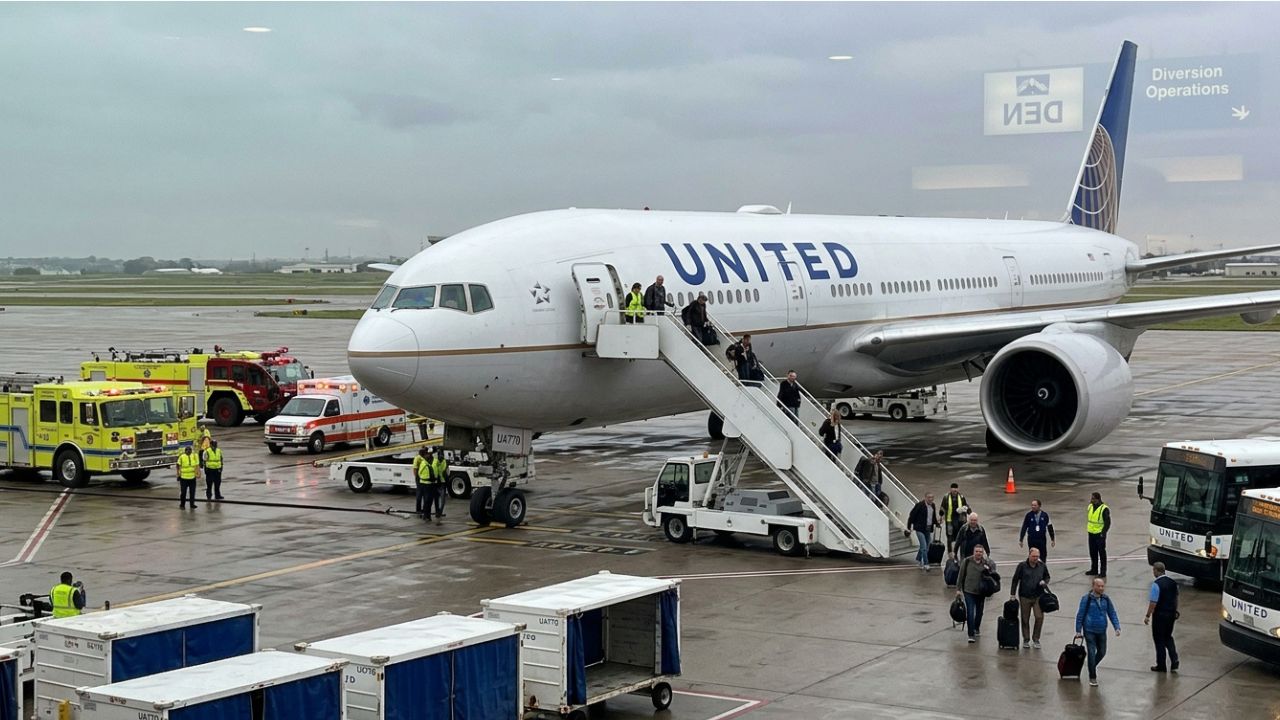
Air travel remains one of the safest forms of transportation, thanks to strict safety protocols and highly trained flight crews. However, unexpected situations can arise during any journey, requiring immediate action to protect passengers and crew members. The united airlines flight ua770 emergency diversion became a topic of discussion among travelers and aviation enthusiasts after the aircraft was forced to change its planned route and land at an alternate airport. While emergency diversions may sound alarming, they are often precautionary measures designed to ensure the highest level of safety.
This article explores the circumstances surrounding the united airlines flight ua770 emergency diversion, possible reasons behind such incidents, the procedures followed during an emergency landing, and what passengers can expect when a flight is diverted.
Understanding the United Airlines Flight UA770 Emergency Diversion
The united airlines flight ua770 emergency diversion refers to an incident in which the aircraft altered its original flight path and landed at a different airport than initially scheduled. Emergency diversions occur when pilots determine that continuing to the destination may not be the safest option.
Airlines and aviation authorities prioritize safety above all else. Whether the issue involves a technical concern, weather conditions, medical emergencies, or operational challenges, flight crews are trained to assess risks and make quick decisions. Diversions are often executed with precision and according to established aviation procedures.
Why Flights Are Diverted
The united airlines flight ua770 emergency diversion highlights the fact that diversions can happen for various reasons. Some of the most common causes include:
- Mechanical or technical issues
- Medical emergencies involving passengers or crew
- Severe weather conditions
- Air traffic control restrictions
- Security concerns
- Unexpected operational challenges
In many cases, diversions are precautionary rather than responses to immediate danger. Pilots often choose the safest course of action even when the issue appears minor.
Possible Causes Behind the United Airlines Flight UA770 Emergency Diversion
Although every aviation incident is unique, understanding common causes can provide valuable insight into why a diversion may occur.
Technical or Mechanical Concerns
Aircraft are highly sophisticated machines equipped with multiple systems designed to ensure safe operation. Even a minor warning indicator can prompt pilots to request an alternate landing location.
During the united airli nes fli ght ua 770 emer gency diver sion, aviation experts may have considered factors such as system alerts, equipment malfunctions, or maintenance concerns. Modern aircraft are designed with redundant systems, meaning backup components are available if one system experiences difficulties.
Medical Emergencies Onboard
Medical incidents are among the most frequent reasons for emergency diversions. If a passenger experiences a serious health condition that requires immediate medical attention, the crew may decide to land at the nearest suitable airport.
In situations like the un ited air lines flig ht ua 770 emergen cy dive rsion, passenger well-being remains a top priority. Airlines coordinate with ground medical teams to ensure assistance is available upon arrival.
Weather-Related Challenges
Weather can significantly affect flight operations. Thunderstorms, turbulence, heavy snowfall, strong crosswinds, or poor visibility may force pilots to seek alternative airports.
Safety regulations require flight crews to avoid conditions that could compromise passenger safety. As a result, diversions related to weather are common across the aviation industry.
How Airlines Handle Emergency Diversions
The united airlin es fli ght ua 770 emerge ncy divers ion demonstrates the importance of established emergency procedures. Airlines follow detailed protocols whenever a flight must change course unexpectedly.
Pilot Decision-Making Process
Pilots receive extensive training in emergency management and risk assessment. When a potential issue arises, they evaluate:
- Severity of the problem
- Distance to the destination
- Availability of alternate airports
- Weather conditions
- Aircraft performance status
Based on these factors, the flight crew determines the safest solution.
Coordination With Air Traffic Control
Once a diversion becomes necessary, pilots communicate with air traffic controllers. Air traffic control assists by:
- Providing routing instructions
- Clearing airspace
- Prioritizing the aircraft if needed
- Coordinating emergency services
This collaboration helps ensure a smooth and efficient landing process.
Passenger Communication
Clear communication is essential during any diversion. Flight attendants and pilots typically provide updates regarding:
- Reason for the diversion
- Expected landing time
- Passenger safety information
- Next travel arrangements
Passengers are encouraged to remain calm and follow crew instructions throughout the process.
Passenger Experience During the United Airlines Flight UA770 Emergency Diversion
For travelers onboard, an emergency diversion can create uncertainty and stress. However, airline personnel work diligently to minimize disruptions.
What Passengers Usually Notice
During the united air lines fli ght ua 770 em ergency diver sion, passengers may have observed:
- A change in flight route
- Announcements from the cockpit
- Preparation for an unscheduled landing
- Emergency personnel present after landing
These actions are standard safety procedures and do not necessarily indicate a serious threat.
Assistance After Landing
Once the aircraft reaches the alternate airport, airline representatives typically help passengers with:
- Rebooking flights
- Accommodation arrangements if necessary
- Meal vouchers
- Transportation assistance
- Travel information updates
Major airlines have dedicated teams that manage passenger support during operational disruptions.
Aviation Safety and Emergency Diversions
The united air lines fli ght ua7 70 emer gency diver sion serves as an example of how the aviation industry prioritizes safety at every stage of a journey.
Strict Safety Regulations
Airlines operate under rigorous national and international safety standards. These regulations require carriers to:
- Perform routine aircraft inspections
- Conduct regular maintenance
- Train pilots extensively
- Monitor aircraft systems continuously
Because of these measures, emergency diversions are generally handled efficiently and professionally.
Advanced Aircraft Technology
Modern commercial aircraft feature sophisticated monitoring systems capable of detecting potential issues before they become significant problems.
Pilots receive real-time information regarding aircraft performance, allowing them to make informed decisions quickly. This technology plays a critical role in preventing incidents from escalating.
Lessons From the United Airlines Flight UA770 Emergency Diversion
Every diversion provides valuable learning opportunities for airlines, regulators, and aviation professionals.
Continuous Improvement
Following any operational event, airlines typically review:
- Crew actions
- Aircraft performance
- Communication effectiveness
- Emergency response procedures
These evaluations help improve future safety measures and operational efficiency.
Reinforcing Passenger Confidence
Although emergency diversions may attract public attention, they often demonstrate that aviation safety systems are working exactly as intended. The decision to divert reflects a proactive approach to risk management rather than a failure of safety standards.
The unit ed airli nes fl ight ua770 emer gency diversion illustrates how pilots, crew members, air traffic controllers, and airline support teams collaborate to protect everyone onboard.
Conclusion
The united air lines fli ght ua7 70 emerg ency div ersion highlights the aviation industry’s unwavering commitment to passenger safety. While an unexpected landing can be concerning for travelers, diversions are carefully managed events designed to reduce risk and address potential issues promptly. Whether caused by technical concerns, medical emergencies, weather conditions, or operational factors, these decisions reflect a safety-first mindset.
As air travel continues to evolve with advanced technology and enhanced training programs, airlines remain well-equipped to handle unforeseen situations. Incidents like the united airli nes fli ght ua770 emerg ency diversi on remind passengers that every precaution is taken to ensure a secure and safe journey from departure to arrival.