
 By wild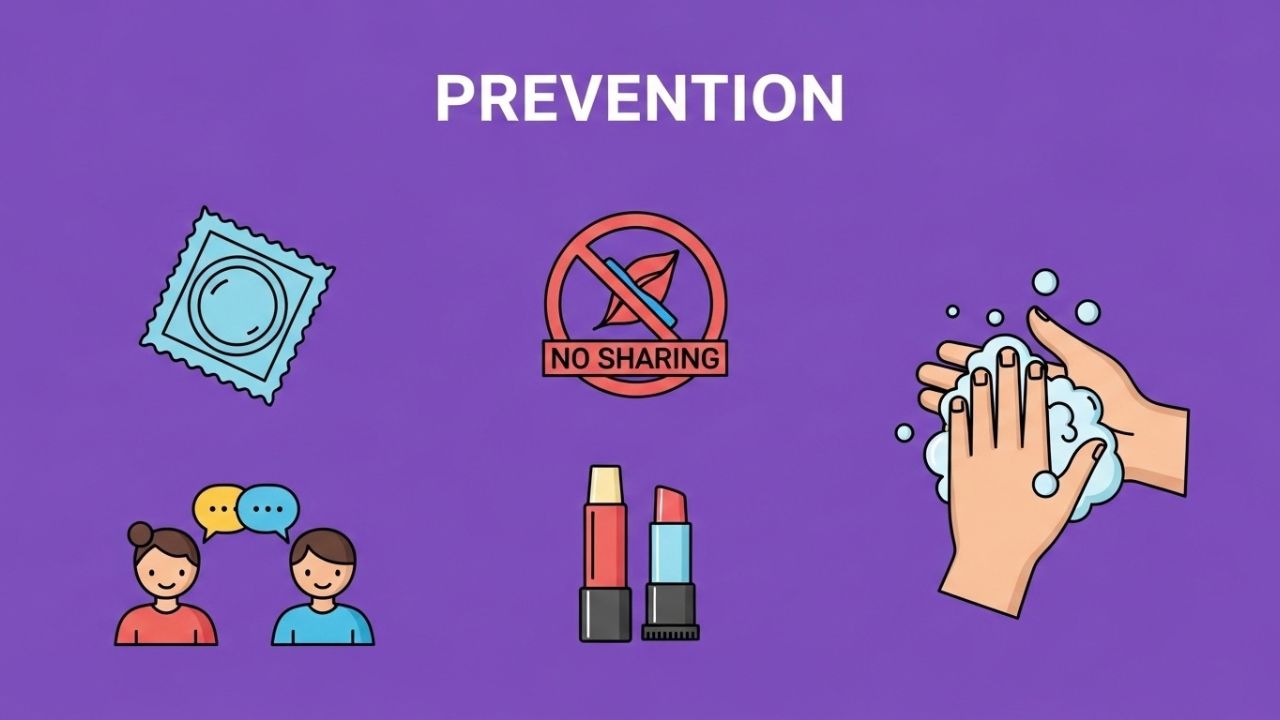
Herpes is a common viral infection that affects millions of people worldwide. Caused by the herpes simplex virus (HSV), this condition can lead to sores and blisters on different parts of the body, most commonly around the mouth and genital area. Although herpes is a lifelong infection, modern treatments can help manage symptoms, reduce outbreaks, and lower the risk of transmission. Understanding herpes is essential for maintaining health, reducing stigma, and making informed decisions about treatment and prevention.
What Is Herpes?
Herpes is a viral infection caused by two main types of herpes simplex virus: HSV-1 and HSV-2. HSV-1 is commonly associated with oral herpes, while HSV-2 is more frequently linked to genital herpes. However, both types can affect either area of the body.
Once a person becomes infected, the virus remains in the body for life. It stays dormant in nerve cells and may reactivate periodically, causing outbreaks of symptoms.
Types of Herpes
Understanding the different forms of herpes can help individuals recognize symptoms and seek appropriate care.
Oral Herpes
Oral herpes usually causes cold sores or fever blisters around the lips, mouth, and face. Many people contract HSV-1 during childhood through non-sexual contact such as kissing or sharing personal items.
Genital Herpes
Genital herpes affects the genital and anal regions. It is typically transmitted through sexual contact with an infected person. Symptoms may range from mild to severe and can vary greatly between individuals.
Common Symptoms of Herpes
The symptoms of herpes can differ depending on the type of infection and whether it is a first outbreak or a recurrence.
Painful Blisters and Sores
Small fluid-filled blisters are among the most recognizable symptoms. These blisters may break open and form painful sores before healing.
Tingling and Itching
Many people experience tingling, itching, or burning sensations before an outbreak begins. These warning signs are often called prodromal symptoms.
Flu-Like Symptoms
The first outbreak may be accompanied by fever, fatigue, swollen lymph nodes, headaches, and muscle aches.
Discomfort During Urination
Individuals with genital herpes may experience pain or burning during urination, particularly when sores are present.
Mild or No Symptoms
Some people have very mild symptoms or none at all. Despite the absence of noticeable signs, the virus can still be transmitted to others.
Causes of Herpes
Herp es is caused by infection with the her pes simplex virus. The virus spreads through direct contact with infected skin, saliva, or bodily fluids.
Transmission Through Physical Contact
The virus can spread through kissing, oral sex, vaginal sex, anal sex, and skin-to-skin contact with an infected area.
Asymptomatic Transmission
A person can transmit her pes even when no sores or symptoms are visible. This is known as asymptomatic shedding.
Shared Personal Items
Although less common, sharing items such as lip balm, razors, or utensils may contribute to the spread of oral h erpes under certain circumstances.
Risk Factors for Herpes
Several factors can increase the likelihood of contracting her pes.
- Having unprotected sexual contact
- Having multiple sexual partners
- A weakened immune system
- Close contact with an infected individual
- Previous exposure to HSV
Understanding these risk factors can help individuals take steps to protect themselves and others.
How Herpes Is Diagnosed
A healthcare provider can diagnose he rpes using various methods.
Physical Examination
Doctors often identify he rpes by examining visible sores and discussing symptoms.
Laboratory Testing
Samples taken from sores can be tested to confirm the presence of the virus.
Blood Tests
Blood tests can detect antibodies related to HSV-1 and HSV-2, helping determine whether a person has been exposed to the virus.
Accurate diagnosis is important for effective treatment and reducing the risk of transmission.
Treatment Options for Herpes
While there is currently no cure for h erpes, treatment can help control symptoms and reduce the frequency of outbreaks.
Antiviral Medications
Prescription antiviral drugs are commonly used to shorten outbreaks, reduce symptom severity, and lower the risk of spreading the virus.
Pain Relief Measures
Over-the-counter pain relievers and soothing creams may help alleviate discomfort during outbreaks.
Daily Suppressive Therapy
For individuals with frequent outbreaks, daily antiviral medication may significantly reduce recurrences and transmission risk.
Proper Hygiene
Keeping affected areas clean and dry can promote healing and reduce irritation.
Lifestyle Tips for Managing Herpes
Many people successfully manage he rpes by adopting healthy lifestyle habits.
Strengthen the Immune System
A balanced diet, regular exercise, and adequate sleep can support immune function and overall health.
Reduce Stress
Stress is a common trigger for outbreaks. Relaxation techniques such as meditation, yoga, and deep breathing exercises may help.
Identify Personal Triggers
Some individuals notice outbreaks after illness, sun exposure, fatigue, or emotional stress. Tracking triggers may help prevent recurrences.
Follow Medical Advice
Taking medications as prescribed and attending regular medical checkups can improve long-term management.
Preventing Herpes Transmission
Although her pes cannot always be prevented, several strategies can reduce the risk of transmission.
Practice Safer Sex
Using condoms and dental dams can lower the likelihood of spreading the virus.
Avoid Contact During Outbreaks
Direct contact with active sores should be avoided until symptoms have completely healed.
Communicate With Partners
Open and honest discussions about sexual health help partners make informed decisions and reduce transmission risks.
Consider Suppressive Therapy
Daily antiviral treatment may decrease the chance of passing the virus to others.
Emotional and Social Impact of Herpes
A her pes diagnosis can lead to feelings of anxiety, embarrassment, or concern about relationships. However, he rpes is a common condition, and many people live healthy, fulfilling lives while managing it.
Education, support groups, counseling, and open communication can help individuals cope with emotional challenges. Understanding the facts about her pes can also reduce stigma and promote healthier conversations about sexual health.
When to Seek Medical Attention
It is important to consult a healthcare professional if you experience unexplained sores, recurring blisters, pain during urination, or symptoms that resemble he rpes. Early diagnosis can lead to better symptom management and help prevent complications.
Medical advice is especially important during pregnancy, as her pes may require specialized care to protect both parent and baby.
Conclusion
Herp es is a widespread viral infection that can affect people of all ages and backgrounds. Although it remains in the body for life, effective treatments are available to manage symptoms and reduce transmission. By understanding the causes, symptoms, treatment options, and prevention strategies associated with he rpes, individuals can take proactive steps to maintain their health and well-being. With proper care and accurate information, living with herp es can be manageable and less disruptive to daily life.